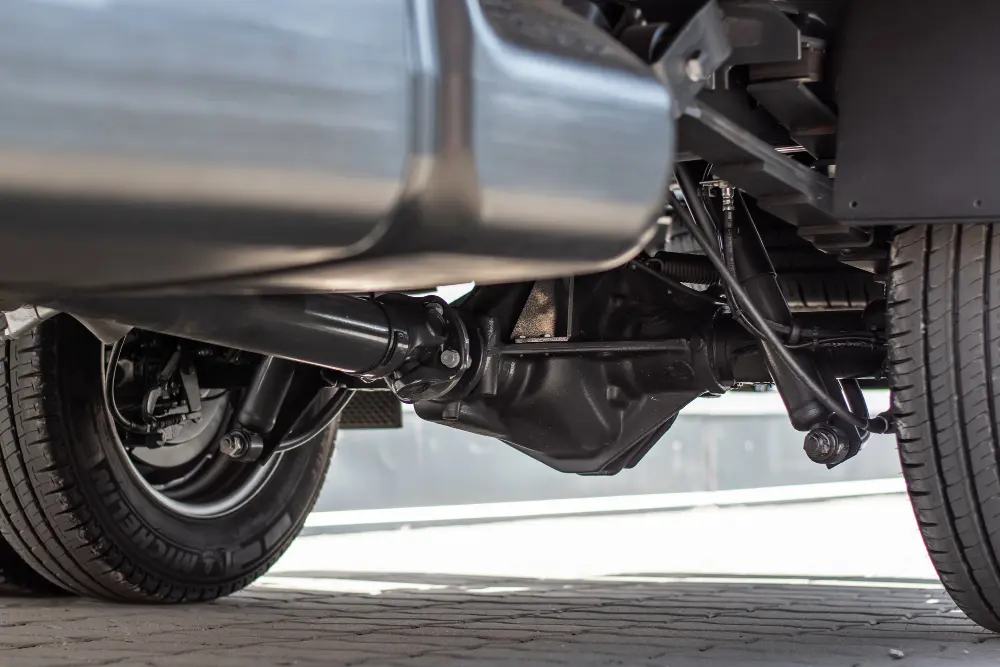
By absorbing shocks and preserving vehicle control, your car’s suspension system is the unsung hero of every trip, guaranteeing a stable and comfortable ride. When this crucial system starts to malfunction, it becomes a significant safety risk rather than an annoyance.
It is essential to identify the early warning indicators of a failing suspension system to avoid any risks. Let’s examine the warning signs of suspension problems and what to do when something goes wrong.
Understanding the Suspension System of Your Vehicle
The vehicle suspension system aims to increase the friction between the tires and the road, provide steering stability, and guarantee passenger comfort. It consists of a complex system of springs, shock absorbers, struts, control arms, and ball joints.
Together, they help keep tires in contact with the ground by absorbing and lessening road shock. Regular inspection of these components can prolong the life of your car and prevent damage to the suspension.
Recognizing Suspension Failure: Warning Signs
1. Strange Sounds While Operating the Vehicle
Your suspension system may be having problems if your automobile makes odd clunks, bangs, or rattles. Worn-out parts, such as struts or shock absorbers, are often the cause of these noises. Scheduling a suspension system check when you notice these noises is crucial because ignoring them could worsen the problem.
2. Reduced Handling and Steering Response
If your car seems unsteady, shaky, or challenging to steer, its suspension system may be malfunctioning. Pulling to one side or having loose steering are clear signs that your car needs repair immediately. Timely suspension repairs will restore the control and accuracy you need to drive safely.
3. Uneven Tire Wear
Uneven or excessive tire wear is often a sign of suspension misalignment. Tires may wear down too soon due to a malfunctioning suspension, which shortens their lifespan and impairs vehicle performance. Maintaining tire health and extending their useful life requires routine checks and prompt suspension repairs.
4. Nose-Diving and Excessive Bouncing
Your suspension system likely needs repair if your car dips significantly during braking or bounces excessively after hitting bumps. Damaged struts or shock absorbers can dramatically impact your car’s ride comfort and safety. By addressing these issues promptly, you can maintain your car’s optimal condition.
5. Vibrating Steering Wheel
Another obvious indicator of suspension problems is a significant vibration in the steering wheel, particularly at higher speeds. This often indicates worn or damaged suspension parts, which require professional attention and repair immediately. In-depth suspension maintenance and repairs can remove these vibrations and restore your car’s smooth ride.
If you’re also considering replacing your current vehicle due to ongoing mechanical issues, you can explore a wide range of carros usados that suit every budget and need.
How to Proceed If You Think You May Have a Suspension Issue?
Taking quick action when you think your car may have a suspension issue might help you avoid severe damage and expensive repairs. If you know what to do, you can diagnose and resolve such problems more easily.
How Do You Resolve a Suspension Issue?
When it comes to servicing and fixing your car’s suspension system, it’s crucial to remember that some drivers can handle various problems on their own if they have the correct information and equipment. However, it is also essential to recognize that some suspension issues may require the expertise of a professional provider, for example:
- Swapping out the struts and shock absorbers
- Changing out worn-out bushings
- Changing out damaged or broken springs
- Wheel alignment for your car
- Changing out damaged ball joints
- Changing the links in the sway bar
- Replacement of the Strut mount
- Replacement of tie rod ends
- Repairs for power steering systems
When to Get Expert Assistance for Repairing Your Suspension
In some cases, a do-it-yourself study is insufficient.
- Unusual Noises or Handling: If it’s challenging to identify the source of the noise or handling problems, or if you’re concerned about the potential cost of repairs.
- Signs of Advanced Wear: When noticeable wear or damage necessitates the use of new parts or specialized equipment.
- Safety Issues: If you lack confidence in performing the checks and understanding the findings safely.
The best course of action is to seek professional assistance for safety and peace of mind. Experts possess the skills, resources, and background to accurately identify and resolve suspension issues, ensuring your safety and the optimal performance of your vehicle.
How to Invest in Your Suspension More Effectively
In addition to enhancing safety, investing in your car’s suspension improves performance and extends its lifespan. Think about:
- Superior Replacement Parts: Reliability and performance are guaranteed when high-quality parts are purchased from reputable manufacturers. High-quality parts ensure reliability and performance, contributing to the longevity of your suspension system.
- Frequent Upkeep: Regular maintenance can keep your system operating at peak efficiency and prevent problems before they become serious. Investing in and maintaining your suspension system proactively and intelligently is advantageous.
- It entails routine inspection, understanding when to consult professionals, and maintaining the caliber of replacement parts. The suspension in your car is essential to its operation; take good care of it, and it will last you a long time.
Advantages of Regular Suspension Maintenance
Regular maintenance of your car’s suspension system is not just about fixing problems, but also about preventing them. This system enhances ride comfort by maintaining all wheels on the ground, particularly when navigating turns or uneven terrain, and absorbing road shocks.
It reduces wear on other parts, such as tires, brakes, and steering elements. It also keeps all its components lubricated and functioning correctly, preventing dirt or dust from accumulating and causing these parts to wear out too soon.
Suspension system maintenance guarantees proper alignment of all components, making you a proactive and responsible car owner. Regular maintenance of your car’s suspension system helps spot possible faults before they worsen and necessitate expensive repairs.
This preventative maintenance can save you time and money by preventing major malfunctions or the need to replace entire assemblies.
Conclusion
Early detection of suspension problems is not just a matter of comfort and safety; it’s a matter of control and stability. By being alert and addressing issues as soon as they appear, you can keep your car in top condition and prevent more serious, expensive repairs.
Consistent maintenance is essential for a steady and comfortable ride, whether you require a thorough vehicle suspension repair or a regular check-up. It’s all about controlling your car’s health and performance. Avoid waiting for roadblocks to stop your progress. Address suspension issues promptly to ensure a stable and safe ride. Contact your local car suspension repair to arrange a professional inspection or for further information. Your peace of mind and your car’s performance depend on it.