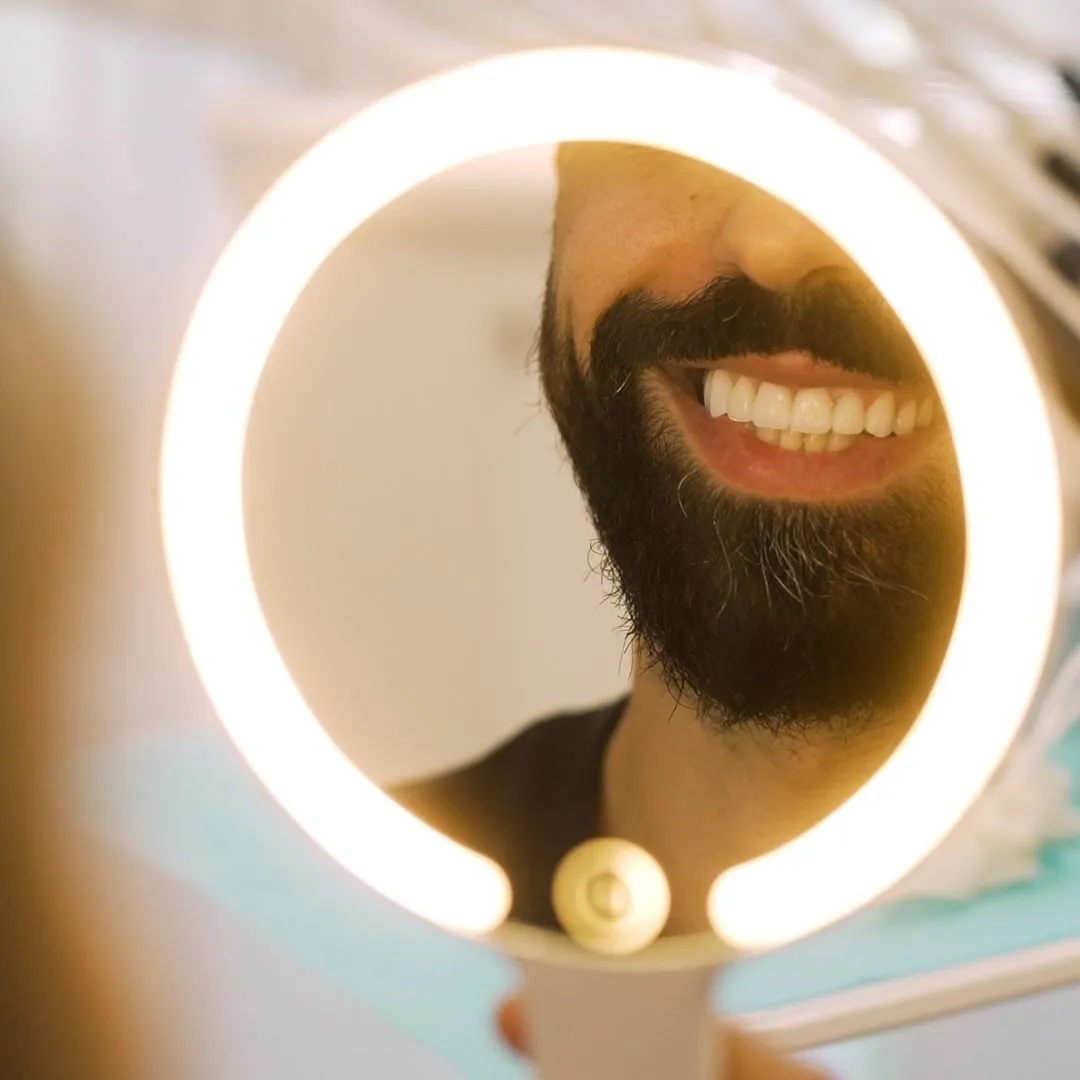
In recent years, dental veneers have become one of the most requested cosmetic treatments for patients who want to improve their smile in a natural and harmonious way. More and more people are attracted by the possibility of correcting discoloration, tooth wear, small gaps, or aesthetic irregularities through a modern and personalized treatment.
However, as dental veneers have become more popular, patients have also developed more questions and concerns about their long-term durability. One of the most common questions is related to the mistakes that can compromise the aesthetic result or damage veneers after treatment. Many patients searching for information about dental veneers in Dubai want to understand not only the benefits of the treatment, but also how to preserve their results over time.
Many patients believe that once veneers have been placed, they no longer need to pay much attention to their oral health. In reality, dental veneers also require care, prevention, and regular check-ups in order to maintain stability, natural appearance, and gum balance over time.
In Dubai, Dr. Ali Khodr approaches cosmetic dentistry with a philosophy focused not only on the aesthetic result, but above all on the biological health of the smile. According to this approach, a Hollywood Smile or dental veneer treatment should integrate naturally with the patient’s face without compromising gums, chewing function, or long-term oral health.
Understanding the most common mistakes that can damage dental veneers helps patients preserve the aesthetics, comfort, and health of their smile for longer.
What are dental veneers in Dubai and why are they so requested?
Dental veneers are thin aesthetic shells applied to the outer surface of the teeth to improve their shape, color, and overall harmony. Today, dental veneers in Dubai are among the most requested treatments in modern cosmetic dentistry, especially among patients who want a brighter and more proportionate smile while maintaining a natural appearance.
Veneers can help correct stained teeth, tooth wear, small gaps, mild irregularities, smile asymmetries, and shape defects. In recent years, the treatment has become increasingly popular thanks to the evolution of digital technologies and advanced aesthetic materials, which allow for more harmonious and personalized results than in the past.
At Dr. Ali Khodr’s clinic in Dubai, treatment is planned through advanced tools such as clinical photography, intraoral scanning, Digital Smile Design, and diagnostic imaging. These technologies support a more accurate evaluation of the smile before treatment begins.
The goal is not to create standardized smiles, but to enhance the patient’s natural features while respecting gum health, facial balance, and bite function. Because veneers are an important aesthetic treatment, it is essential to understand that their long-term maintenance also depends on the patient’s daily habits.
Why do some dental veneers get damaged faster?
Many patients think that dental veneers are “indestructible” or that they do not require special care after treatment. In reality, even highly advanced aesthetic materials can become damaged or lose stability if they are not maintained properly.
One of the most common mistakes is underestimating oral prevention. Veneers do not automatically protect against gingivitis or gum problems. If gum health is neglected, even the aesthetic result can be affected over time.
Other factors that may compromise the longevity of veneers include clenching or bruxism, poor oral hygiene, traumatic habits, irregular check-ups, bacterial biofilm accumulation, and gum inflammation. These issues may seem unrelated to aesthetics, but they can strongly influence the stability and appearance of the final result.
The way veneers are initially designed also plays an important role. For this reason, Dr. Ali Khodr pays particular attention to margin precision, gum quality, and biological balance during treatment planning.
According to the clinic’s philosophy, an aesthetically beautiful smile must first be stable and healthy over time. This is why aesthetics are never separated from overall oral health.
How oral hygiene affects the durability of dental veneers
One of the most underestimated aspects is the role of professional and home oral hygiene in maintaining dental veneers. Even though veneers themselves do not develop cavities like natural enamel, the gums and underlying dental structures still need to remain healthy.
Plaque and bacterial biofilm buildup may contribute to gum inflammation, recession, bad breath, loss of aesthetic harmony, and problems around veneer margins. For this reason, patients who have undergone dental veneers in Dubai should maintain regular check-ups and professional hygiene appointments.
At Dr. Ali Khodr’s clinic, Guided Biofilm Therapy (GBT) is also used. This is a modern approach to professional oral hygiene that allows teeth and gums to be treated in a gentler and more controlled way.
Many people believe that brushing aggressively helps keep veneers cleaner. In reality, excessive pressure or abrasive tools may irritate the gums and compromise the balance of the tissues over time.
To maintain a stable and harmonious smile, it is essential to follow personalized professional instructions and use the correct home hygiene techniques.
Can you eat normally with dental veneers?
One of the most common questions is whether patients can eat normally after veneer treatment. In general, modern dental veneers allow patients to live a completely normal life, but certain habits may increase the risk of damage.
The most risky behaviors include biting ice, opening packages with the teeth, chewing very hard objects, using the teeth as “tools,” or constantly clenching. These habits can place unnecessary stress on both natural teeth and veneers.
Nighttime bruxism is also an important factor to monitor. Many people clench or grind their teeth unconsciously during sleep, creating strong pressure that may affect restorations and veneers over time.
For this reason, during dental veneer planning, Dr. Ali Khodr carefully evaluates bite function, occlusal balance, gum health, and possible signs of bruxism.
The goal is to create a result that is not only aesthetic, but also stable and functional in the long term.
Why gums are essential for keeping veneers beautiful
When people talk about dental veneers, they often focus almost entirely on tooth color or shape. In reality, one of the most important elements for a natural-looking smile is gum health.
Even beautiful veneers may appear less harmonious if the gums are inflamed, the gum line is uneven, recession is present, or gum symmetry is lacking. These details can strongly influence the overall perception of the smile.
For this reason, at Dr. Ali Khodr’s clinic, the biological health of the gums is considered an absolute priority before the final aesthetic result. In some cases, improving smile harmony may involve complementary procedures such as gum contouring, gum rebalancing, advanced oral hygiene, or periodontal treatments.
According to the clinic’s philosophy, the smile should look natural and integrate with the patient’s face. This balance does not depend only on the teeth, but also on the relationship between teeth, gums, and lips.
How to avoid DIY mistakes that can damage veneers
One of today’s most common problems is the large amount of misleading information available online. More and more people look for quick fixes or DIY advice to keep their dental veneers whiter or improve their smile without professional supervision.
Some of the most risky mistakes include using abrasive products, tools purchased online without clinical guidance, unsuitable whitening methods, attempting to reshape teeth at home, or using aggressive products to “polish” veneers.
Dental veneers require professional monitoring and personalized maintenance. Trying to intervene independently may compromise the veneer surface, gum health, restoration bonding, and overall smile aesthetics.
Even products that appear harmless can alter the balance of the treatment over time. For this reason, Dr. Ali Khodr recommends regular check-ups and professional smile monitoring, avoiding improvised or clinically unsupervised solutions.
How long do dental veneers last and what affects their stability?
One of the most frequently asked questions concerns the lifespan of dental veneers. There is no identical answer for every patient, because treatment longevity depends on several factors.
Among the most important elements are material quality, clinical precision, gum health, oral hygiene, bite function, daily habits, and regular dental check-ups. These factors all contribute to how stable and natural the veneers remain over time.
Many patients search for information about the cost of dental veneers or compare treatments performed in different countries. However, long-term smile stability does not depend only on financial aspects, but above all on clinical planning quality and respect for oral biology.
According to Dr. Ali Khodr’s approach, gum health and attention to detail are essential for maintaining more harmonious and stable results over time.
For this reason, every treatment is designed by considering not only the immediate aesthetic result, but also long-term maintenance and biological stability.
Dental veneers in Dubai: prevention and care to protect your smile over time
Dental veneers in Dubai are now one of the most requested aesthetic treatments for patients who want to improve their smile in a harmonious and natural way. However, the final result does not depend only on the placement of the veneers, but also on the quality of prevention and the patient’s daily habits.
Oral hygiene, gum health, regular check-ups, and proper bite management all play a fundamental role in the aesthetic and functional stability of the treatment.
At Dr. Ali Khodr’s clinic in Dubai, dental veneers are approached through a philosophy that combines aesthetics, clinical precision, and respect for the biological health of the smile. The goal is not to create standardized smiles, but natural results designed to integrate harmoniously with the face and remain stable over time.