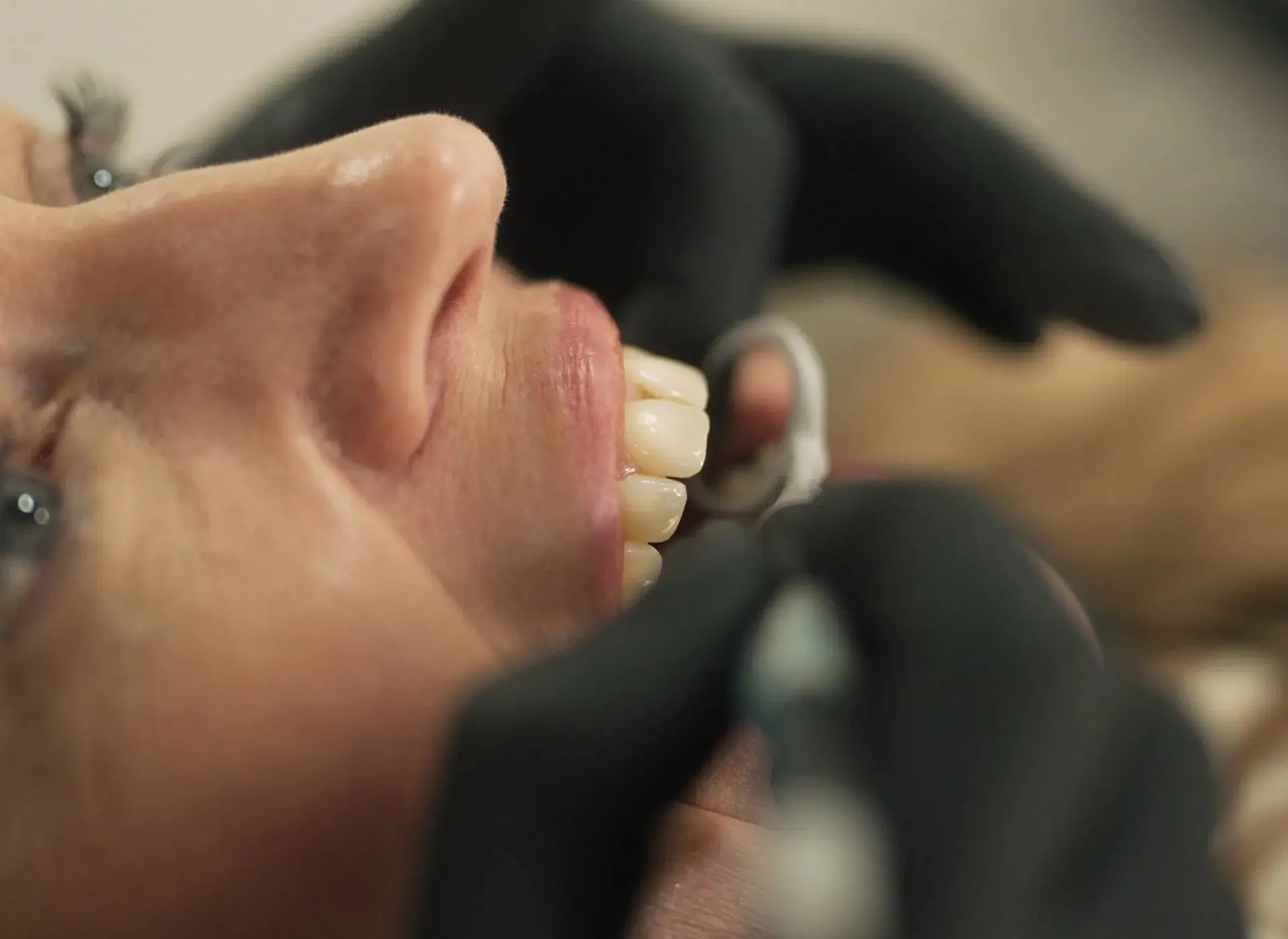
The recommendation to have teeth professionally cleaned every six months is familiar to many dental patients. However, the appropriate interval between appointments is not necessarily the same for everyone. Factors such as gum health, plaque accumulation, medical conditions and previous periodontal problems can influence how frequently professional hygiene is required.
For people considering teeth cleaning in Dubai, understanding these differences can help clarify the role of personalised preventive care. At New York Dental Clinic, professional cleaning is approached through individual oral health assessment, with attention to maintaining healthy teeth and gums over time.
Why Is Professional Teeth Cleaning Important?
Daily brushing and interdental cleaning are essential for controlling bacterial plaque, but even an effective home routine may leave deposits in difficult-to-reach areas. Over time, plaque can mineralise into calculus, commonly called tartar, which cannot be removed through ordinary brushing. Professional cleaning allows these hardened deposits to be removed using instruments designed for dental surfaces and surrounding tissues.
Removing plaque and calculus is particularly important around the gumline, where bacterial accumulation can contribute to inflammation. Persistent inflammation may cause bleeding, swelling and tenderness, while untreated periodontal disease can eventually affect the tissues supporting the teeth. Professional hygiene therefore serves a preventive and therapeutic purpose, depending on the patient’s clinical condition.
The procedure may include scaling, polishing or air-polishing techniques according to the deposits present. However, professional cleaning does not replace home care, nor does it prevent every dental problem. Its value lies in complementing daily hygiene and addressing conditions that cannot be adequately managed without professional intervention.
Is Teeth Cleaning Every Six Months Necessary for Everyone?
The six-month interval is widely associated with routine dental care, but it should not be interpreted as a universal clinical requirement. Some individuals maintain healthy gums and effective plaque control over relatively long periods, while others accumulate deposits more quickly or experience recurrent inflammation. Individual risk factors are more informative than a fixed calendar interval when determining how often professional cleaning may be appropriate.
A patient with healthy periodontal tissues, minimal calculus accumulation and consistent home hygiene may require a different maintenance schedule from someone with a history of gum disease. Dental restorations, orthodontic appliances and personal cleaning difficulties can also influence the assessment. The dentist considers these factors alongside clinical findings before recommending a suitable interval.
It is also important to distinguish between a dental examination and a professional cleaning appointment. Although the two may be performed together, the need for clinical monitoring does not automatically mean that scaling is required at every visit. A patient may benefit from an examination without necessarily needing the same hygiene procedures each time.
Which Factors Determine the Frequency of Teeth Cleaning in Dubai?
For patients receiving teeth cleaning in Dubai, appointment frequency should reflect the condition of the mouth rather than a standard recommendation applied without assessment. The amount and location of calculus, gum inflammation, oral hygiene effectiveness and previous dental history all provide useful information. Periodontal probing and examination of the gum tissues can help identify areas that require closer monitoring.
Certain medical and lifestyle factors may also affect oral health. Smoking is associated with increased periodontal risk, while diabetes, particularly when poorly controlled, can influence susceptibility to gum disease. Dry mouth, whether related to medication or other causes, may increase the risk of dental decay and complicate plaque management.
The dentist must consider these influences together rather than treating any one factor as decisive. For example, a person with extensive restorations may maintain excellent oral hygiene, while another patient without restorations may experience recurring gum inflammation. A personalised maintenance schedule depends on the overall clinical picture, and the recommended interval may change as oral health improves or deteriorates.
Do Patients with Gum Disease Need More Frequent Cleaning?
People with a history of periodontitis often require a different approach to professional maintenance. Periodontitis affects the tissues supporting the teeth and can lead to irreversible attachment and bone loss. Although treatment can control inflammation and stabilise the condition, previous periodontal damage remains relevant when planning long-term care.
Supportive periodontal therapy may include professional plaque removal, examination of periodontal pockets and reassessment of risk factors. For some patients, appointments every three or four months may be appropriate, although the interval depends on disease severity, treatment response and the stability of the supporting tissues. More frequent attendance is not automatically necessary for every person who has experienced gum inflammation.
A distinction must also be made between routine cleaning and treatment of deposits beneath the gumline. Patients with active periodontal disease may require specific subgingival instrumentation rather than ordinary preventive scaling alone. The depth of periodontal pockets, bleeding and attachment levels help determine whether additional treatment is indicated.
Can Professional Cleaning Be Adapted to Different Oral Health Needs?
Professional hygiene does not consist of a single technique performed identically for every patient. The type and distribution of deposits, condition of the gums and presence of dental restorations influence which instruments and procedures may be appropriate. Scaling addresses hardened calculus, while polishing and air-polishing techniques can help manage selected surface deposits and bacterial biofilm.
At New York Dental Clinic, oral hygiene services include scaling, polishing and Airflow technology. The practice also provides hygiene care for patients with particular requirements, including individuals undergoing orthodontic treatment, pregnant patients and those with periodontal conditions. The selection of procedures depends on clinical findings rather than the assumption that every available technique must be used during each appointment.
Patients wearing fixed orthodontic appliances, for example, may find plaque removal more challenging around brackets and wires. Others may have exposed root surfaces or existing sensitivity that require adjustments to the cleaning technique. Individualised hygiene care takes these differences into account, balancing effective deposit removal with the preservation of dental tissues.
What Happens If Professional Dental Cleaning Is Delayed?
Delaying a professional cleaning appointment does not inevitably lead to dental disease, especially when oral hygiene is effective and the patient has a low risk of complications. However, prolonged intervals may allow calculus deposits to increase in areas where home cleaning is difficult. Accumulated deposits can contribute to persistent gum inflammation, particularly when bacterial plaque remains around the gumline.
Some periodontal problems develop gradually and may not cause obvious pain in their early stages. Bleeding during brushing, persistent bad breath or changes in gum appearance can indicate that professional assessment is appropriate. Nevertheless, the absence of these symptoms does not necessarily confirm that the supporting tissues are healthy.
The potential consequences of delayed care depend on the patient’s existing condition. Someone receiving maintenance after periodontal treatment may face different risks from an individual with no history of gum disease. A scheduled interval should therefore be reviewed when new symptoms develop, rather than waiting automatically for the next routine appointment.
Can Good Home Oral Hygiene Reduce the Need for Frequent Cleaning?
Consistent home care is one of the most important influences on plaque accumulation between professional appointments. Brushing twice daily with fluoride toothpaste and cleaning between the teeth help reduce bacterial deposits on surfaces that may otherwise remain difficult to reach. Effective plaque control can support healthier gums and may contribute to maintaining stable conditions between professional assessments.
The choice of cleaning devices should reflect individual dental anatomy and manual ability. Dental floss may be suitable for narrow interdental contacts, while appropriately sized interdental brushes can be useful where sufficient space is available. Patients with bridges, orthodontic appliances or other restorations may need additional guidance to clean around these structures effectively.
Dietary habits and tobacco exposure also influence oral health, making preventive care broader than brushing alone. Frequent sugary snacks can increase the risk of tooth decay, while smoking may affect periodontal tissues and alter visible signs of inflammation. Good home hygiene complements professional maintenance, but cannot remove established calculus or replace a clinical examination when disease is suspected.
How Is a Personalised Dental Hygiene Schedule Established?
An appropriate cleaning schedule begins with understanding the patient’s oral health history and current clinical findings. The dentist may examine plaque accumulation, calculus deposits, gum condition and the presence of restorations or orthodontic appliances. Previous periodontal treatment and medical history can provide additional information about the likelihood of future complications.
At New York Dental Clinic, oral hygiene appointments are integrated into the practice’s broader preventive approach. Professional cleaning is provided by qualified dentists, with treatment decisions informed by individual clinical requirements. The availability of different cleaning techniques allows procedures to be selected according to the patient’s condition rather than relying on a uniform treatment sequence.
The recommended interval should also remain flexible. Improvements in plaque control, changes in gum health or newly identified risk factors may justify modifying the maintenance schedule. Regular reassessment helps determine whether the existing preventive programme remains appropriate, without assuming that more frequent treatment is necessarily beneficial for every patient.
Teeth Cleaning in Dubai: Why Personalised Prevention Matters
The idea that everyone needs professional cleaning exactly twice a year overlooks important differences in oral health. While regular maintenance can help control plaque and calculus, the appropriate interval depends on individual risk, clinical findings and previous dental conditions. Patients with healthy gums may have different requirements from those receiving supportive care after periodontal treatment.
For people considering teeth cleaning in Dubai, the central question is therefore not simply how many months should separate appointments. It is whether the proposed frequency and procedures correspond to their actual oral health needs. Professional assessment, effective home hygiene and periodic reassessment all contribute to an appropriate preventive strategy.
At New York Dental Clinic, professional oral hygiene forms part of a responsible approach to dentistry that considers each patient’s clinical circumstances. By combining individual assessment with suitable cleaning techniques and preventive guidance, the practice supports oral health maintenance without relying exclusively on a standard six-month schedule.